
When someone we love loses a person close to them, it is one of the hardest moments to navigate. We want to do something, to show we care, to let that person know they are not alone. But knowing what to send can feel overwhelming, especially when you are also processing your own grief or sadness.
Flowers are almost always the first thought. They are beautiful, they feel appropriate, and they have been a symbol of sympathy for generations. But there is a limitation that many people do not think about until they have experienced it themselves. Flowers die within a week. And that week is often the most public, most supported time for a grieving family. The meals keep coming and the visitors and cards keep arriving. It is the weeks and months after the funeral where the quiet sets in and the grief can feel heaviest. By that point, the flowers are long gone.
This is why more and more New Zealanders are choosing to send a living plant instead of, or alongside, flowers. A plant stays and it grows. It can be placed in a windowsill, on a table, in the garden or in a quiet corner of the home where it becomes a gentle, living reminder of someone loved.
Why A Living Plant Is A Meaningful Sympathy Gift
There is something deeply comforting about a living thing. Plants breathe, they grow, they change with the seasons. When you give a plant as a sympathy gift, you are giving something that carries life forward at a time when loss feels very heavy. Many families tell us that their sympathy plant becomes one of the most treasured gifts they received. Some plant it in the garden in honour of the person they have lost. Others keep it indoors as a companion through the quieter months of grief.
A plant also gives the recipient something to do. Grief can feel passive and heavy, and the act of watering, tending and watching something grow can be quietly therapeutic. It gives a small but meaningful purpose during a very difficult time.
The Best Sympathy Plants To Send In New Zealand
Choosing which plant to send depends on the recipient and their living situation. Here are some of the most thoughtful options we offer at Give Plants.
Peace Lily - The peace lily is one of the most popular sympathy plants in New Zealand and for good reason. It has soft, elegant white flowers and is incredibly easy to care for. It suits apartments, retirement villages and family homes alike. It does not need a lot of light, it does not need constant watering, and it keeps flowering for a long time. For someone who is grieving and perhaps not focused on plant care, a peace lily is a kind and forgiving choice.
Orchid - An orchid is a beautiful, statement plant that feels both special and personal. With elegant blooms that can last for weeks, an orchid feels like a gift that has been chosen with care. It suits a sideboard, a windowsill or a table and creates a feeling of calm and beauty in the home. Orchids are particularly suited for people in retirement villages or smaller living spaces where a garden plant would not be practical.
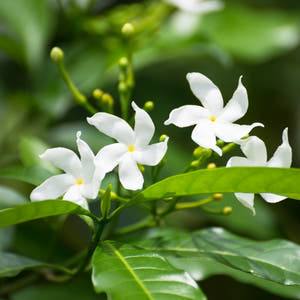
Gardenia - The gardenia is one of our most beloved plants and a wonderful sympathy gift for someone who loves the garden. With its highly scented white flowers, it brings both beauty and fragrance to outdoor spaces. A gardenia can be planted in a pot or directly into the garden, making it a living memorial that grows more beautiful every year. For families who want to plant something together in memory of a loved one, the gardenia is a very popular choice.
Port Wine Magnolia - For those with outdoor space, the port wine magnolia is a magnificent choice. It is a hardy, fragrant plant that produces gorgeous dark pink to purple flowers and fills a garden with scent in spring. It is a plant with presence, one that quietly commands attention and brings joy each time it blooms. As a sympathy gift for someone who loves their garden, it is hard to beat.
When A Plant Is Better Than Another Bouquet
This is not to say that flowers are wrong. Flowers can be beautiful and deeply appreciated. The real question is whether the recipient already has enough short-lived flowers around them, and whether a different kind of gesture might offer comfort for longer. In many New Zealand homes, the days after a funeral are filled with bouquets, cards, meals and visitors. A living plant stands apart because it remains after the formalities are over.
A plant is especially appropriate when you know the person would value something lasting, when they enjoy their garden, when they live in a home where a plant can become part of daily life, or when you are sending your condolences from far away. It is also a thoughtful option when you do not want to send something edible or when you are unsure about dietary preferences, storage space or the practical needs of the household.
What To Write On A Sympathy Card When You Send A Plant
One of the most common things people tell us is that they do not know what to write. And that is completely understandable. There are no perfect words for grief. But the act of writing something personal, however simple, matters enormously.
Here are a few ideas to get you started. You could write something like: "May this plant bring you a little comfort and peace during this difficult time. Thinking of you always." Or: "We hope this small gift reminds you that you are loved and not alone." Or simply: "In memory of [name]. With all our love." The message does not need to be long. It just needs to be real.
Sending A Sympathy Plant From Overseas
Many of our customers are New Zealanders living overseas who want to send something meaningful to family or friends back home. When you cannot be there in person, sending a plant is one of the most thoughtful things you can do. It arrives beautifully packaged, with your own message, and it becomes a lasting physical reminder that you care.
Give Plants delivers nationwide across New Zealand, from Auckland to Invercargill and everywhere in between, including rural areas and the South Island. You can place your order from anywhere in the world, choose your plant, write your message and we will take care of the rest. It is a simple process that results in a meaningful, lasting gift.
How To Choose Between Indoor And Outdoor Sympathy Plants
If the recipient lives in an apartment, retirement village or smaller home, choose an indoor plant that is easy to place and easy to care for. Peace lilies, orchids and anthuriums are ideal because they bring beauty into the room without requiring a garden. They can sit close by and become a comforting presence in the everyday spaces where grief is felt most.
If the recipient has a garden, courtyard or deck, an outdoor plant may be more appropriate. Gardenias, port wine magnolias, jasmine, lemon trees and native plants can all become part of a living memorial. They offer the family the option to plant something together when they are ready, or to keep the plant in a pot while they decide on the right place.
Other Thoughtful Alternatives To Flowers
A living plant is not the only thoughtful alternative to flowers, but it is one of the few that combines beauty, meaning and longevity. Some people choose to send meals, baking, handwritten letters, photo books, candles or practical care packages. These can all be helpful, especially in the first few days after a loss. But a plant has a different role. It is not just useful in the immediate moment; it becomes part of the months and years that follow.
This makes it especially appropriate when you want to send something that feels respectful but not generic. A plant does not require the family to find fridge space, arrange vases or consume something while they are overwhelmed. It can simply be placed somewhere safe and cared for when they are ready. For many grieving families, that gentleness matters.
A Note On Timing
Timing can be one of the hardest parts of sending a sympathy gift. People often worry that they have missed the right moment if the funeral has already happened, but grief does not follow a tidy schedule. In fact, a plant sent after the service can be deeply appreciated because it arrives when the phone calls, visitors and formal arrangements have started to slow down.
If you are close to the family, sending a plant as soon as you hear the news is completely appropriate. If you are a colleague, client, neighbour or more distant friend, sending something to the home in the days or weeks after the funeral can feel more personal and less intrusive. The most important thing is not perfect timing. It is the simple act of reaching out with care.
How To Choose A Sympathy Plant For Different Relationships
For a close family member or friend: Choose a plant with lasting presence, such as a gardenia, port wine magnolia, kowhai or peace lily. The relationship is close enough for a deeply personal gift, and the plant can become a meaningful part of the home or garden.
For a colleague or client: Choose something elegant, appropriate and easy to receive, such as a peace lily, orchid or anthurium. These gifts communicate care without feeling too intimate, which makes them suitable for professional relationships.
For someone overseas or far away: A plant is a powerful way to show presence from a distance. When you cannot attend the funeral, visit the family or deliver something in person, a living gift with a heartfelt card can help close that gap.
Why Home Delivery Is Often The Best Choice
Unless the family has specifically asked for tributes at the service, sending a sympathy plant to the home is often the most practical and thoughtful option. It means the family does not have to transport another item after the funeral, and it allows the plant to be received in a quieter, more private moment.
Home delivery also lets the recipient choose where the plant belongs. They may want to keep it in a living room, place it near a photo, put it beside a favourite chair, or plant it outside when they feel ready. That freedom matters because grief is personal, and a good sympathy gift should offer comfort without creating pressure.
One thing we always say to people is that it is never too late to send a sympathy gift. In fact, sending something a few weeks after the funeral can be just as meaningful, sometimes even more so. The immediate support fades quickly, and a plant that arrives unexpectedly in the quieter weeks after a loss can be a very moving reminder that someone is still thinking of them.
If you are unsure what to send, reach out to us. We are happy to help you choose something appropriate for the person, their living situation and the occasion. We have been doing this for many years and we genuinely care about getting it right.
FAQ: Sympathy Plant Gifts
Is a plant appropriate when someone dies? Yes. A living plant is a respectful and meaningful sympathy gift because it offers comfort, beauty and a lasting reminder of care.
What is the best sympathy plant? Peace lilies and orchids are excellent indoor choices, while gardenias, port wine magnolias and native plants are beautiful options for people with outdoor space.
Can I send a sympathy plant after the funeral? Yes. Sending a plant in the weeks after the funeral can be especially thoughtful because it arrives when the initial support may have quietened.
What should I write on the card? Keep it simple and sincere. A message such as "Thinking of you and sending love during this difficult time" is enough.
Should I send the plant to the home or the funeral service? In most cases, sending to the home is best. The family can receive it privately and place it somewhere meaningful without needing to transport it after the service.
What sympathy plant is best when I do not know the family well? A peace lily or orchid is usually safest because both feel respectful, easy to receive and suitable for most homes.
Can a plant become a memorial? Yes. Many families plant a gardenia, native plant, magnolia or lemon tree in memory of someone they loved, creating a living tribute that can be visited and cared for over time.
When words are not enough, a living plant says something flowers simply cannot. It says: I am still here. I still care. And this will keep growing, just as your strength will too.


